
Flooring decisions are rarely just about appearance—they’re a balance of cost, durability, maintenance, and long-term return. Whether you’re purchasing your first home, preparing to sell, or planning a renovation, choosing between laminate and hardwood flooring requires a clear understanding of how each performs in real-world conditions.
Both options dominate the residential flooring market, but they serve very different priorities. Below is a structured comparison designed to help you evaluate which material aligns with your financial goals and daily lifestyle.
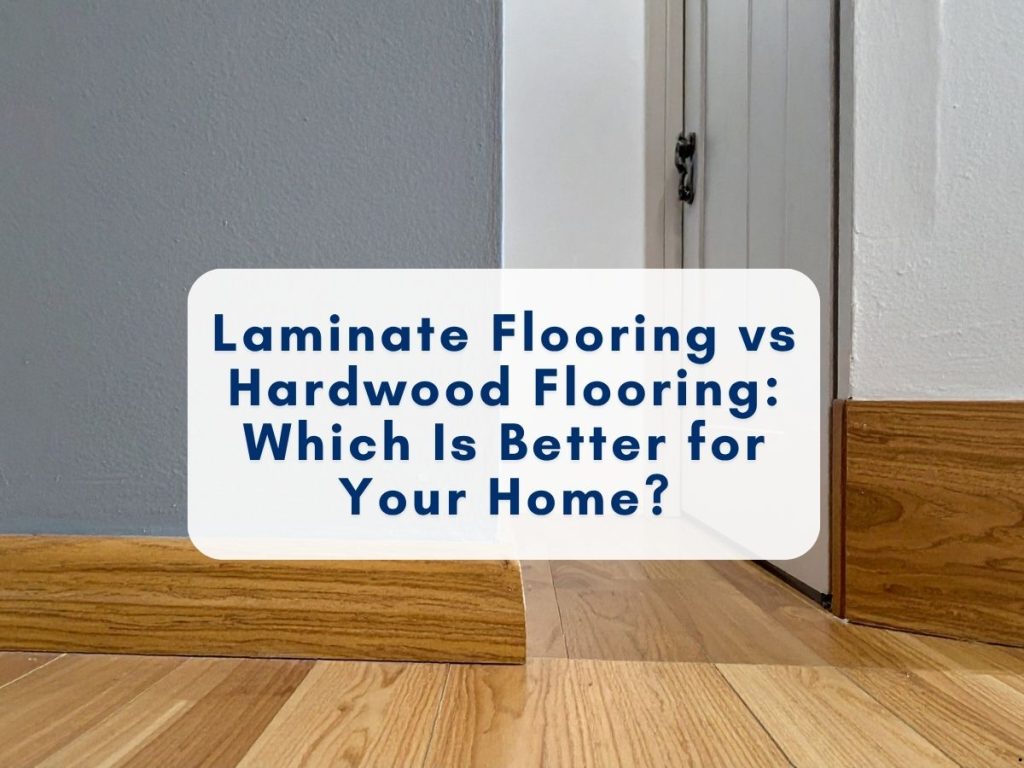
Hardwood Flooring: Performance, Value, and Longevity
Hardwood flooring is often positioned as a premium upgrade, and in many cases, that reputation is justified. Its value is tied not only to aesthetics but also to lifecycle performance.
Advantages
Long-Term Asset Value
Hardwood is one of the few flooring materials that can be restored rather than replaced. Through sanding and refinishing, surface wear can be eliminated multiple times, extending its useful life significantly.
Market Preference
In resale scenarios, hardwood flooring consistently ranks as a top feature among buyers. It contributes to perceived home quality and can positively influence both time on market and final sale price.
Material Authenticity
Unlike synthetic alternatives, hardwood offers natural grain variation and tactile feedback that cannot be fully replicated.
Extended Lifespan
With proper maintenance, hardwood flooring can last 50 years or more, making it a long-term capital improvement rather than a consumable upgrade.
Limitations
Moisture Sensitivity
Wood is hygroscopic, meaning it expands and contracts with humidity. This makes it unsuitable for environments with high moisture exposure, such as basements or bathrooms.
Higher Initial Investment
Material and labor costs are significantly higher compared to laminate, particularly for premium wood species.
Surface Wear
Hardwood is vulnerable to scratches and dents, especially in high-traffic households or homes with pets.
Laminate Flooring: Efficiency and Everyday Functionality
Laminate flooring is engineered for practicality. It prioritizes durability, cost efficiency, and ease of installation—making it especially attractive for budget-conscious buyers.
Advantages
Cost Control
Laminate delivers a wood-like appearance at a fraction of the cost. This makes it ideal for large-scale flooring projects or entry-level homeownership.
Wear Resistance
The protective wear layer resists scratches, stains, and fading, making it well-suited for active households.
Moisture-Tolerant Options
Many modern laminate products include water-resistant cores, expanding their usability into kitchens and lower-level spaces.
Simplified Installation
Floating floor systems allow for faster installation, often reducing labor expenses or enabling DIY completion.
Limitations
Finite Lifespan
Unlike hardwood, laminate cannot be refinished. Once the wear layer is compromised, replacement is required.
Lower Perceived Value
While visually appealing, laminate does not carry the same resale premium as hardwood.
Acoustic and Tactile Differences
Laminate can produce a hollow sound underfoot and lacks the natural feel of solid wood.
Strategic Considerations for Buyers and Sellers
For Home Buyers
- If your priority is long-term ownership, hardwood offers better lifecycle value.
- If your focus is affordability and low maintenance, laminate provides immediate savings.
For Home Sellers
- Installing hardwood can improve buyer perception and listing competitiveness.
- High-quality laminate can still enhance presentation without overextending your budget.
For Investors or Land Buyers
- Laminate may provide better ROI in rental or short-term hold scenarios.
- Hardwood is more appropriate for custom builds or high-end resale strategies.
Cost Benchmarking
- Hardwood Flooring: Typically ranges from $6 to $13 per square foot installed
- Laminate Flooring: Typically ranges from $3 to $8 per square foot installed
The cost differential becomes substantial in whole-home applications, often reaching several thousand dollars.
Maintenance Profile Comparison
Hardwood
- Requires periodic refinishing
- Sensitive to water exposure
- Needs consistent care to maintain finish
Laminate
- Low maintenance cleaning
- No refinishing required (or possible)
- Resistant to most daily wear conditions
Final Assessment
There is no universally superior option—only the one that aligns with your constraints and objectives.
- Choose hardwood if you value longevity, resale impact, and material authenticity
- Choose laminate if you prioritize cost efficiency, durability, and ease of maintenance
Understanding how each performs over time—not just how it looks on day one—is the key to making a financially sound decision.
Considering a Move or Upgrade?
Flooring is just one variable in a much larger real estate equation. Whether you’re evaluating a purchase, preparing a home for sale, or planning a renovation, strategic decisions like this can directly influence your financial outcome.
If you want tailored guidance based on your goals and your local market, reach out for a one-on-one consultation.
